13 Group Travel Experiences Worth Planning From November to March

From snow covered adventures to warm weather escapes, these are the experiences worth building a group trip around from November to March.
Winter is coming.
Fortunately, this isn’t Westeros. From November to March, the world opens up to a wide range of group travel experiences. You can lean into the cold season with skiing, snowmobiling and winter traditions, or escape it altogether in search of sunshine, wine country, wildlife and long days outdoors. The best trips are often built around an experience rather than simply a destination. Here are 13 worth travelling for.
Cold-Weather Group Adventures
Skiing and Winter Sports
Ski trips are such a natural fit for groups, but the appeal goes far beyond the slopes. Across the Alps, skiing comes wrapped in a broader mountain culture: chalet living, historic villages, long lunches, après-ski, destination dining, spa and wellness, and a lively social scene off the slopes. France, Switzerland, Austria and Italy each bring their own character to the experience. Japan offers something different, blending world-class powder with onsen, Japanese cuisine and culture, and its own distinct après-ski scene. And beyond the established destinations, countries such as Georgia, Slovenia, Bulgaria, Romania and Andorra offer their own take on the ski trip, pairing the slopes with distinctive landscapes, local culture and winter traditions.
Whether your group takes skiing very seriously, is completely new to the sport or has a mix of experience levels, the culture surrounding it gives you plenty to work with. The skiing can be the starting point; everything around it can be shaped around the group.

Arctic Winter Experiences
If skiing isn't really your thing, there are plenty of other ways to experience winter. Northern destinations offer dog sledding, snowmobiling, reindeer sledding, snowshoeing, ice fishing and Arctic wildlife experiences. In Northern Scandinavia, Sámi-led experiences can also offer insight into traditions such as reindeer herding and the relationship between Sámi communities and the Arctic landscape.
Then there are the stays themselves. Winter has a way of making where you stay feel like part of the adventure. Imagine waking up with friends in a cozy cabin surrounded by the snow-covered landscapes of Finnish Lapland, sleeping beneath a glass roof with the Arctic sky above you, taking over a wilderness lodge in the winter amongst snow covered trees. These aren't simply places to sleep between activities. They become spaces for the group to gather, whether that means slow breakfasts, evenings around the fire or coming back together after a day outside. Winter wellness adds another layer. Norway brings fjord saunas and cold-water plunges, Finland its sauna and ice-swimming culture, Iceland geothermal bathing, Sweden its winter bathing traditions and Japan its snow-covered onsen. For a group, these can become restorative rituals built around an otherwise adventurous trip.

Winter Festivals and Traditions
Sometimes the reason to travel is a tradition that only exists for a short time each year. Christmas markets across Europe turn cities and towns into seasonal destinations, bringing together food, drinks, shopping and festive atmosphere. Scotland's Burns Night, held every 25 January, brings people together around poetry, Scottish food, music and the work of Robert Burns. For something more unusual, Iceland's Þorrablót is a midwinter tradition centered around traditional food and feasting. Sweden's Jokkmokk Winter Market and Sámi Week in Tromsø offer opportunities to experience different aspects of Sámi culture, from handicrafts and food to music, art and events. Japan brings a different kind of spectacle. The Sapporo Snow Festival fills the city with enormous snow and ice sculptures in early February, while nearby Otaru's Snow Light Path illuminates historic streets with candles and snow lanterns. The beauty of these traditions is that the festival can become the anchor for the trip, with the rest of the itinerary shaped around whatever your group is interested in.

Polar and Winter Expeditions
For groups looking for something more adventurous, November through March opens up opportunities to explore some of the world's most remote environments. In the Southern Hemisphere, it is the Antarctic expedition season, with voyages through the Antarctic Peninsula offering Zodiac excursions among glaciers and icebergs, wildlife encounters and, on some itineraries, kayaking or overnight camping. The Antarctic tourism season generally runs from mid-November to early March around the Antarctic Peninsula. Wildlife lovers can venture further to South Georgia, known for its enormous penguin colonies and seals, while longer expeditions can combine Antarctica with South Georgia and the Falkland Islands. Head north and the experience changes completely. Greenland offers winter expeditions combining dogsledding, remote settlements and vast Arctic landscapes, while Svalbard brings snowmobile and wilderness experiences as daylight gradually returns. These trips can also be shaped around what your group is most interested in: wildlife, photography, kayaking, remote cultures or simply the challenge of reaching somewhere few people ever see.
Winter Natural Phenomena
Some winter experiences are compelling simply because they are difficult to imagine until you see them for yourself. The Northern Lights are the obvious example. Across Norway, Finland, Sweden, Iceland, Greenland and Canada, groups can build a trip around the possibility of seeing the aurora, combining evening hunts with cabins, hot tubs, snowmobiling or geothermal bathing. In Norway, October to March are the best months to try to catch the aurora. Japan's Zao region is known for its snow-covered “snow monsters”, while Hokkaido offers winter experiences around drift ice. Iceland has glacial ice caves, Canada has the frozen methane bubbles of Abraham Lake, and the far north experiences the Polar Night, when the sun remains below the horizon for extended periods. For curious travelers, photographers and nature lovers, sometimes simply wanting to see something this unusual with your own eyes is reason enough to go.
Warm-Weather Group Adventures During the Winter Months
Black Consciousness Day and Afro-Brazilian Culture
November offers a particularly meaningful reason to travel to Brazil. 20th November is Brazil's National Day of Zumbi and Black Consciousness and has been a national public holiday since 2024. The day commemorates Zumbi dos Palmares and recognizes the history, resistance and cultural contributions of Black Brazilians. But the experience extends beyond a single day. Throughout November, programming across the country can bring together Black music, food, dance, fashion, heritage, exhibitions, entrepreneurship and contemporary culture. Salvador is particularly compelling for groups interested in Afro-Brazilian culture, with Bahia's history and traditions deeply woven into everyday life. Elsewhere, Black cultural programming can take the form of food festivals, music events, performances, community gatherings and experiences connected to Afro-Brazilian heritage. For a group, this creates the opportunity to build a trip around culture rather than simply sightseeing. The celebration can be the starting point, with food, music, history and the destination itself shaping the wider journey.

Vineyard and Harvest Seasons
While vineyards across much of the Northern Hemisphere are quieter during winter, November through March brings a different rhythm to wine regions in the Southern Hemisphere. Argentina, Chile, South Africa, Australia and New Zealand move through their growing and harvest seasons during this period, making it an interesting time to gather a group and head to wine country. And a wine trip can be so much more than moving from one tasting room to another. Across these regions, you can stay among vineyards, spend afternoons over tastings and long lunches, cycle or walk through wine country, take part in culinary experiences and explore the surrounding landscapes.
Mendoza and the Uco Valley pair vineyards with the Andes, rural landscapes, restaurants and accommodation ranging from rural stays to luxury hotels. The Uco Valley itself combines wine with activities such as horseback riding, rafting and other outdoor experiences. Chile's Wine Route stretches across several central valleys, including Casablanca, Maipo, Colchagua, Cachapoal, Maule and Curicó, allowing a wine focused trip to be shaped around different landscapes, wineries, food and local experiences. Harvest celebrations add another layer around February and beyond.
Stellenbosch brings an entire ecosystem around wine, food and outdoor living, with accommodation ranging from vineyard cottages and lodges to boutique hotels, alongside activities such as horse riding, hiking, golf and festivals throughout the year.
Australia offers another kind of variety. Margaret River, Barossa Valley, Yarra Valley, Hunter Valley and Tamar Valley each have their own wine culture, landscapes and surrounding experiences, making it possible to build a trip that extends well beyond the cellar door. So whether your group is full of serious wine people or simply people who appreciate good food, beautiful landscapes and an excuse for a long lunch, there is plenty to build a trip around.

Desert Experiences and Expeditions
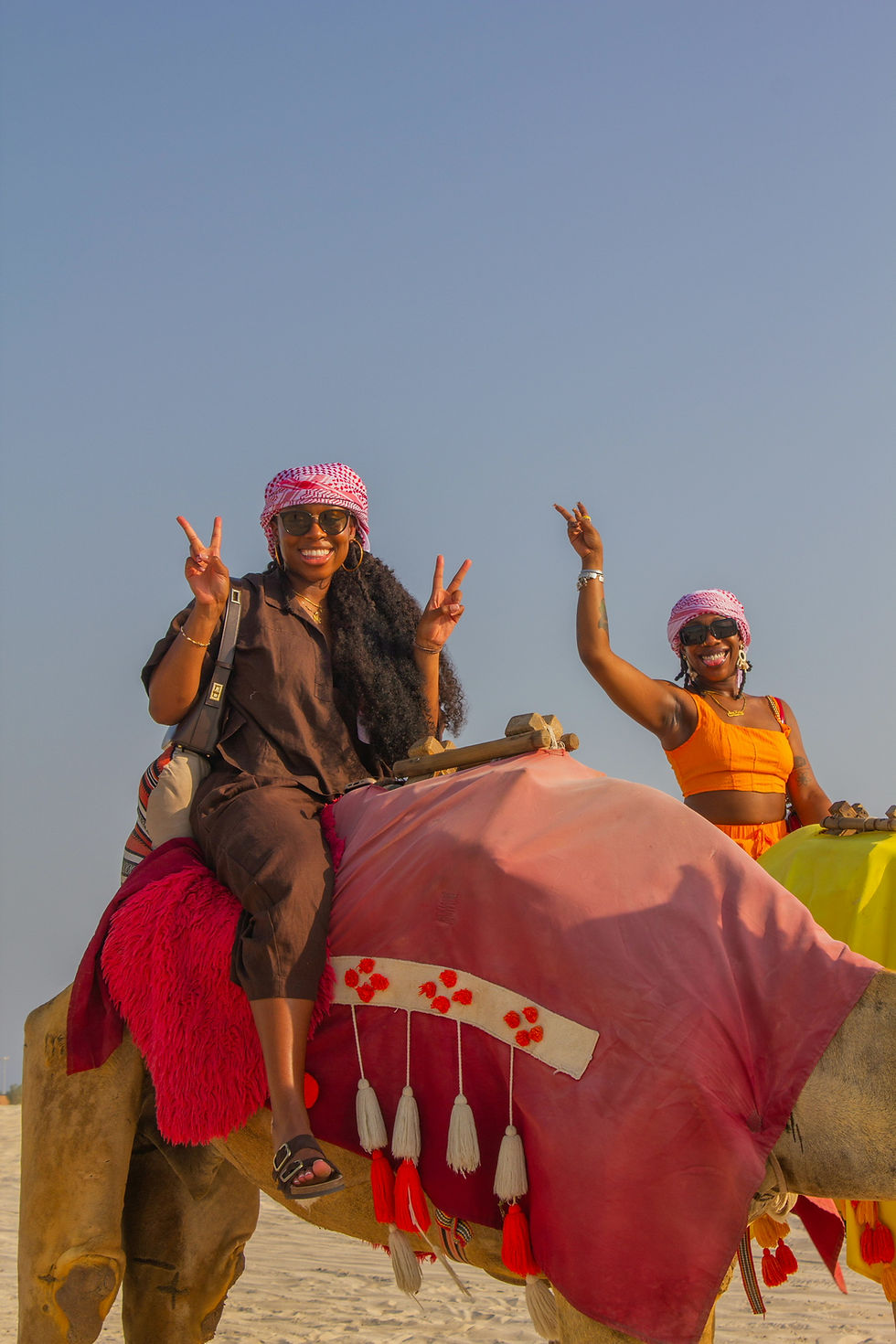
If you'd rather trade snow for sand, November through March is also a great time to experience many of the world's desert landscapes. From the Sahara in Morocco and Egypt to Wadi Rum in Jordan, Oman's deserts and Chile's Atacama, the cooler months can make it easier to spend meaningful time outdoors. A desert experience can be a one-off addition to a wider itinerary: an afternoon exploring the landscape, a desert dinner, a 4x4 excursion, camel ride, stargazing experience or overnight stay. Agafay, for example, can easily be added to a Marrakech trip without becoming the focus of the entire journey. Or you can go all in. Groups can spend several nights in desert camps or lodges and build the entire experience around the landscape, from 4x4 excursions and hiking to camel rides, wellness, cultural experiences, long dinners under the stars and stargazing. And each desert brings something different. The Atacama adds salt flats, geysers, high-altitude lagoons and exceptional stargazing, while Wadi Rum brings sandstone mountains, canyons and Bedouin culture. The desert may be the setting, but the experience can be shaped around the people travelling: adventurous, restorative, culturally focused or simply slow.
Trekking Season
If your group enjoys hiking, November through March opens up some of the world's great trekking destinations. And a trekking trip doesn't have to mean carrying everything you own on your back and sleeping in a tent every night. You can take on a major multi-day trek together, base yourselves somewhere and tackle a series of day hikes, or combine a few days of trekking with food, culture, wildlife and other experiences. Some routes are lodge-to-lodge, others are fully supported with guides and porters, and many destinations allow groups to choose their own level of challenge.
Patagonia is particularly compelling during the Southern Hemisphere summer, with mountains, glaciers and trails to explore. Kilimanjaro attracts groups looking to take on a major summit together, while Madeira and the Canary Islands offer a more accessible version of a hiking holiday, with dramatic landscapes and comfortable accommodation at the end of the day. What makes trekking particularly interesting for groups is the shared objective. Whether that's reaching a summit, completing a multi-day route or simply making it to the end of a long day on the trail, the experience becomes about something the group works towards together

Gorilla and Chimpanzee Trekking
For wildlife lovers, November through March creates opportunities for a completely different kind of group adventure: trekking through the forests of East Africa in search of gorillas and chimpanzees. In Uganda, groups can trek to see mountain gorillas in Bwindi Impenetrable or Mgahinga, while Kibale is one of the region's major destinations for chimpanzee trekking. Rwanda offers gorilla trekking in Volcanoes National Park, with chimpanzee experiences in Nyungwe. December through February can be an appealing period for trekking, although conditions vary across rainforest environments. The trek itself may only take up part of the trip, leaving room to build around it with wildlife, nature and time spent exploring the destination. For groups, you can stay together at a lodge, head into the forest in smaller trekking groups and build the wider journey around the wildlife experience.
Southern Hemisphere summer experiences
While much of the Northern Hemisphere is in winter, November to March is summer across the Southern Hemisphere, opening up an entirely different set of group travel possibilities. Across South America, Southern Africa, Australia and New Zealand, warmer weather means beach days, boating, road trips and outdoor adventures.
In South America, summer brings places such as Brazil, Argentina, Chile and Uruguay to life. You could rent a beach house in Punta del Este or José Ignacio, build a trip around the beaches, boating, music and food of Rio or Bahia, or head south for horseback riding, rafting, kayaking and road trips through Argentina and Chile.
Cape Town is in the middle of its summer season, making it a natural base for beaches, sailing, outdoor dining and day trips. And across Australia and New Zealand, summer opens up everything from beach houses, surfing and sailing to lake trips, kayaking, cycling and long scenic drives. Unlike some of the other experiences on this list, there isn't one particular activity drawing you there. Summer itself is what opens up the opportunity, giving your group an entirely different season to play with.
New Year’s Eve
New Year's Eve gives groups an obvious reason to travel, but the most interesting celebrations are often about more than the countdown itself. Sydney brings fireworks over the harbor, Rio de Janeiro transforms Copacabana for Réveillon, Edinburgh's Hogmanay turns New Year into a multi-day Scottish celebration, and Madeira is known for its celebrations and fireworks over Funchal Bay. But not every New Year experience centers around a giant party. In Japan, Shōgatsu unfolds through traditions such as temple visits, traditional foods and watching the first sunrise. Vienna brings its New Year's Eve trail and tradition of waltzing into the New Year, while Reykjavík gathers around community bonfires before fireworks fill the sky. For a group, the celebration can become the anchor for a much bigger getaway. Charter a boat for the fireworks, book a private dinner or rooftop celebration, take over a villa for the week or simply build the itinerary around experiencing the destination's own New Year traditions.
The celebration may happen on one night, but it can easily become the starting point for a much bigger group trip.

Event-Led Travel
And sometimes, the event itself is the reason to go.
Between November and March, the global calendar is filled with opportunities across sport, music, food, wine, fashion, literature, art and design. You could head to Buenos Aires for the Argentine Open Polo, Lagos for the Aké Arts & Book Festival, Marrakech for its International Film Festival, Dakar for fashion, Zanzibar for Sauti za Busara or Cape Town for the Investec Cape Town Art Fair. Then there are sporting events such as the Six Nations, the Saudi Cup and international golf and polo tournaments, alongside culinary and wine events, music festivals, book fairs, design weeks and art fairs. The event gives the group a reason to gather in a particular place and at a particular time. From there, the rest of the itinerary can be built around the destination, turning a few days at an event into a much richer trip.
The most interesting group trips are rarely about simply ticking off a destination. They are built around something: a mountain, a festival, a vineyard, a wildlife encounter, a cultural tradition, a sporting event or simply a season worth experiencing together, and this forms the beginning of effortless group travel. From November to March, there is an extraordinary range to choose from. The question is less where should we go? and more what do we want to experience together? That answer can shape everything else.
Contact Ndawani to plan your next winter group experience
Join the circle to stay connected with us and learn more about group travel experiences around the world.
Comments